India 2025, Kerala Wonderful and mysterious Theyyam
Always curious about any form of art, I first heard about the sacred rituals of Theyyam last year … Jigesh, a ceramic artist whom I met in an art centre in India in January 2024 is from Kerala, south India. As he noticed my strong interest for the colour red in my art, he told me about the Theyyam, wonderful and mysterious ritual and sacred art form that happens sometimes, somewhere in the villages of North Kerala…
Of course the idea stayed in my mind, and I decided to make this intriguing destination my first adventure of this 2025 India trip…
Kerala, along the West coast of South-India has a year-long tropical climate . It sounded like a perfect place to start, especially in january where it is very cold in the North.So, on the 10th of january, I flew to Kerala to meet Jigesh in Calicut, where he teaches art in a college of design. He was very busy with his work and couldn’t take me to the Theyyams, but he got me in contact with a friend who could…
Friend of a friend of a friend of a friend, a magical chain that works really well in India !
A few days later I moved to Payyanur, where Krishnadas (the friend of Jigesh) runs a guesthouse (handy !) and has some useful contacts in the villages around, in the Malabar region of north Kerala… Finding the timetables and places where Theyyam happens seems not easy, as they perform day or nights according to auspicious dates and time determined with astrologers using the local Malayalam calendar…
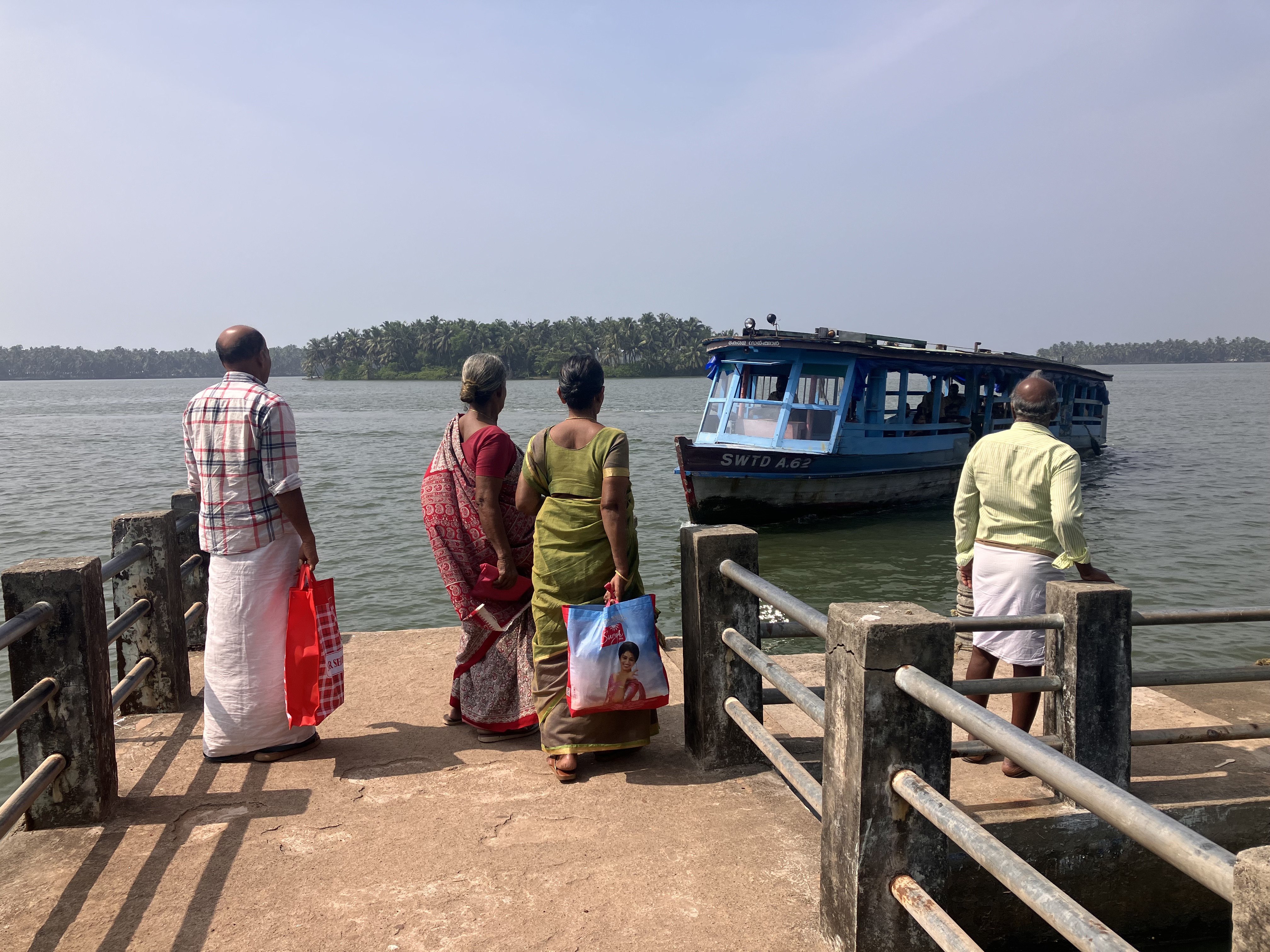
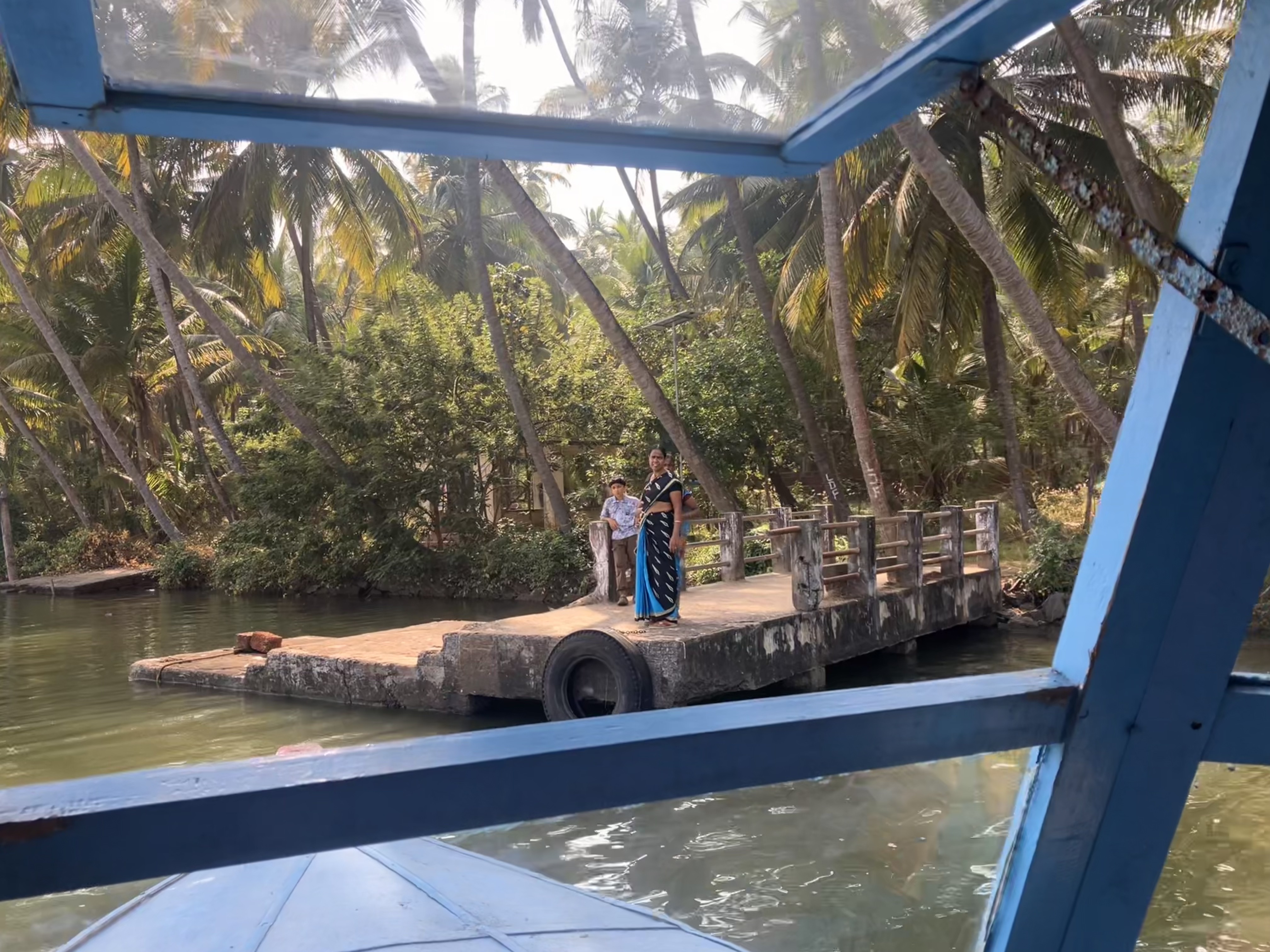
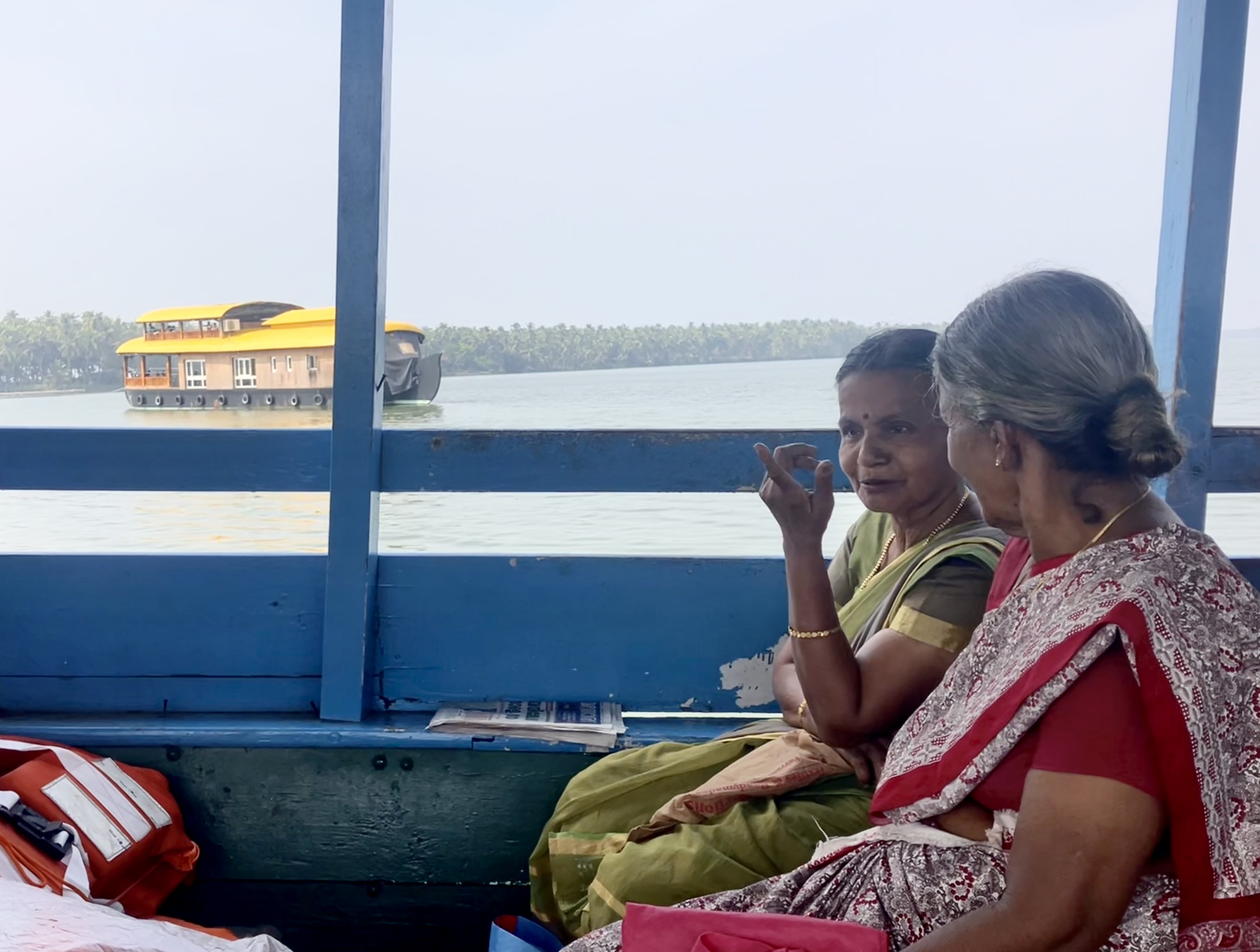
I spent a lot of time waiting, but made the best of it exploring around too…
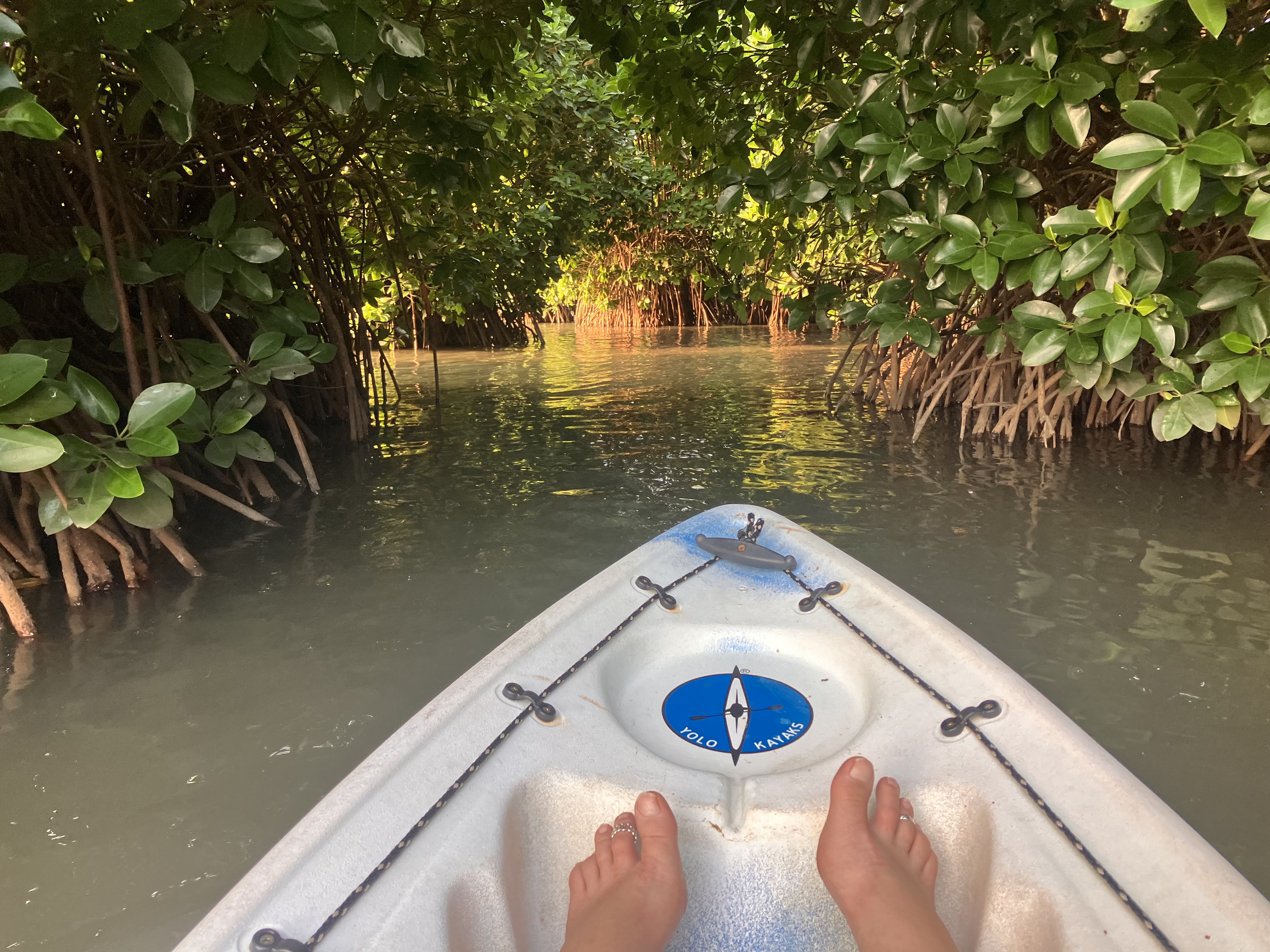
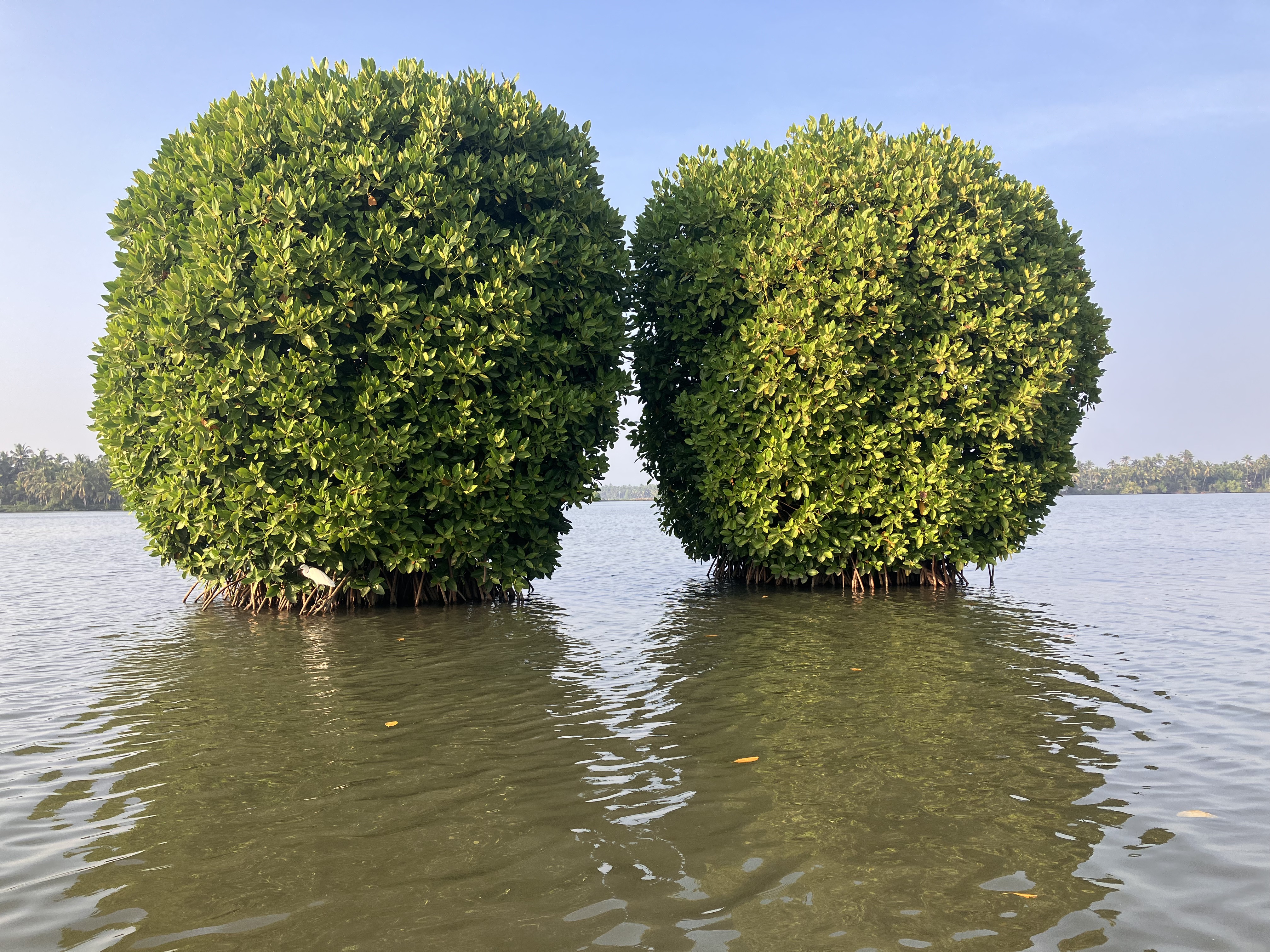
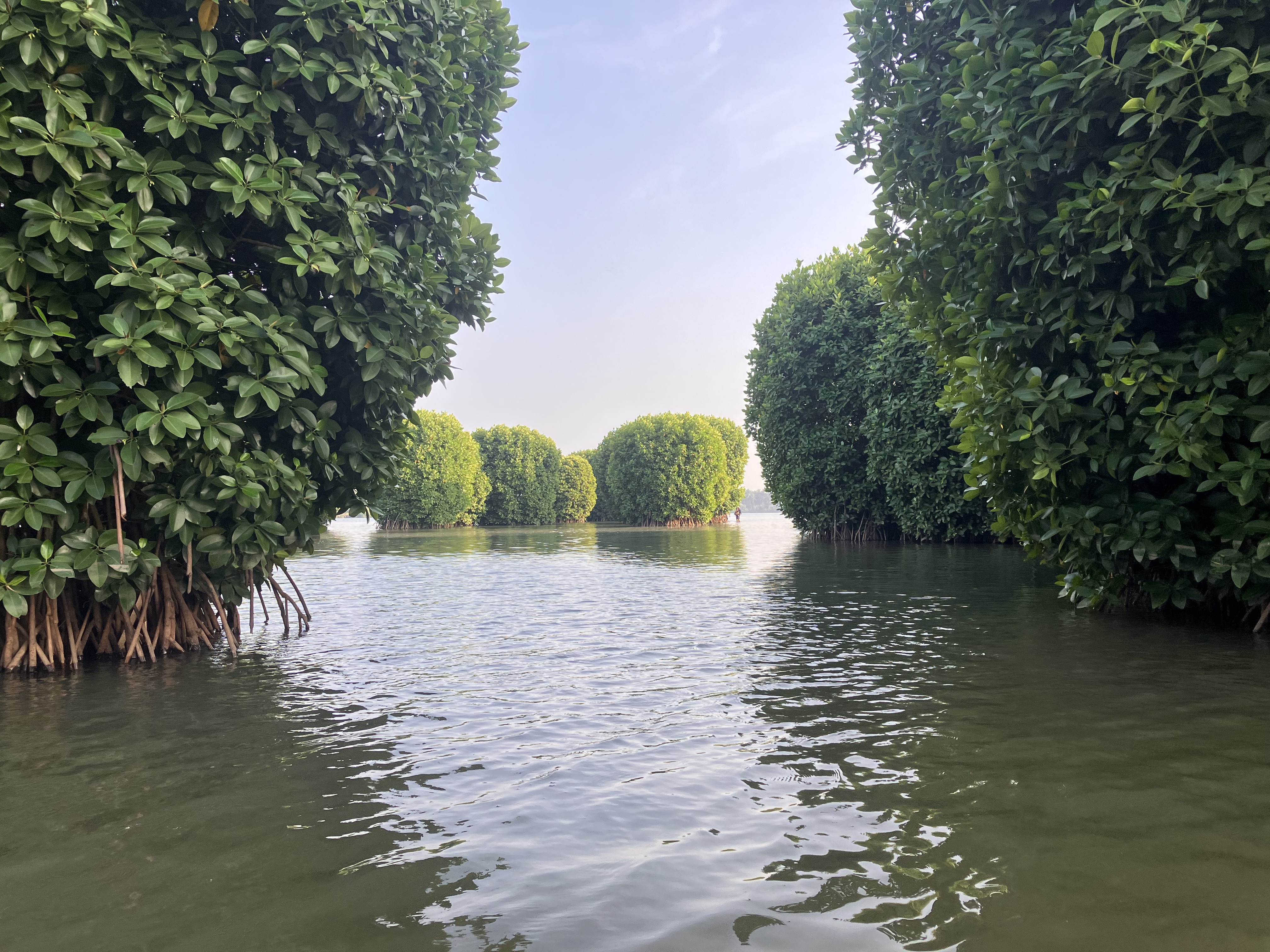
...kayaking in the mangrove, and hoping around in the back waters…
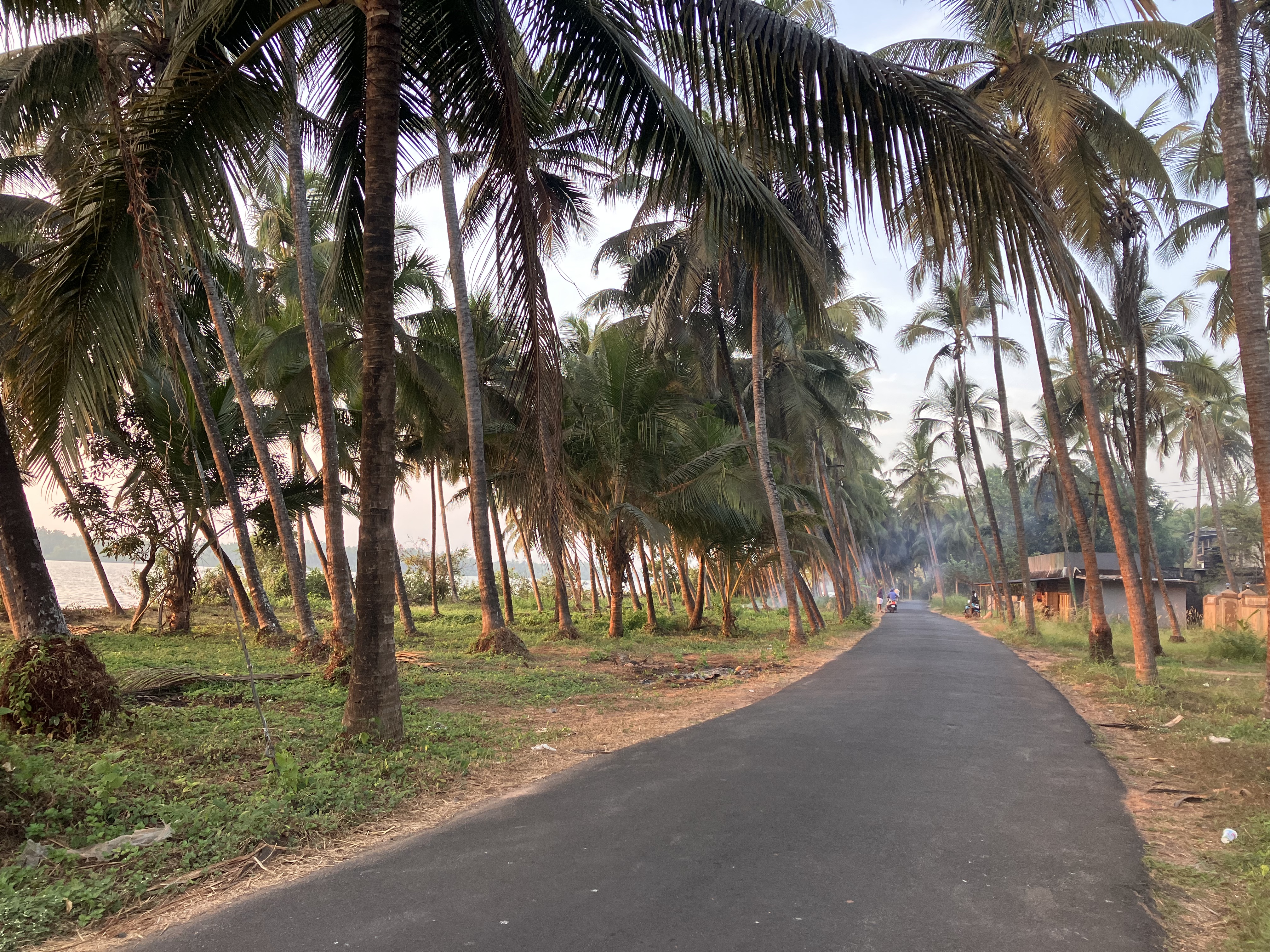
Eventually, on the third day, Krishnadas got the informations we were waiting for!… He drove me on his motorbike through the beautiful tropical Malabar countryside, about 25km away, looking for a remote family temple in the middle of the forest…
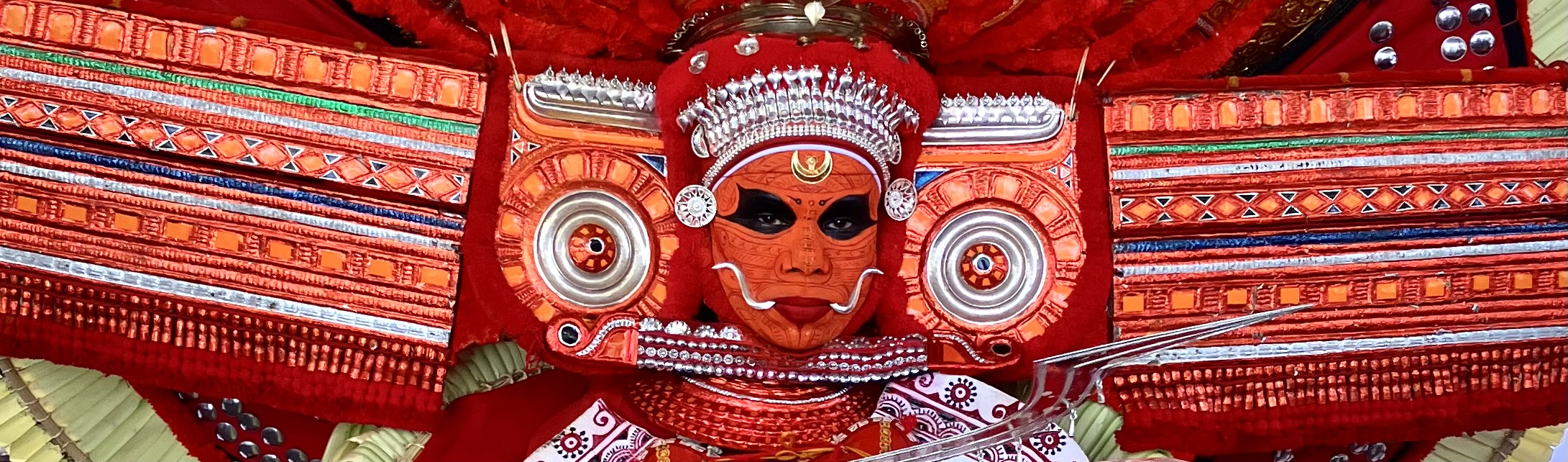
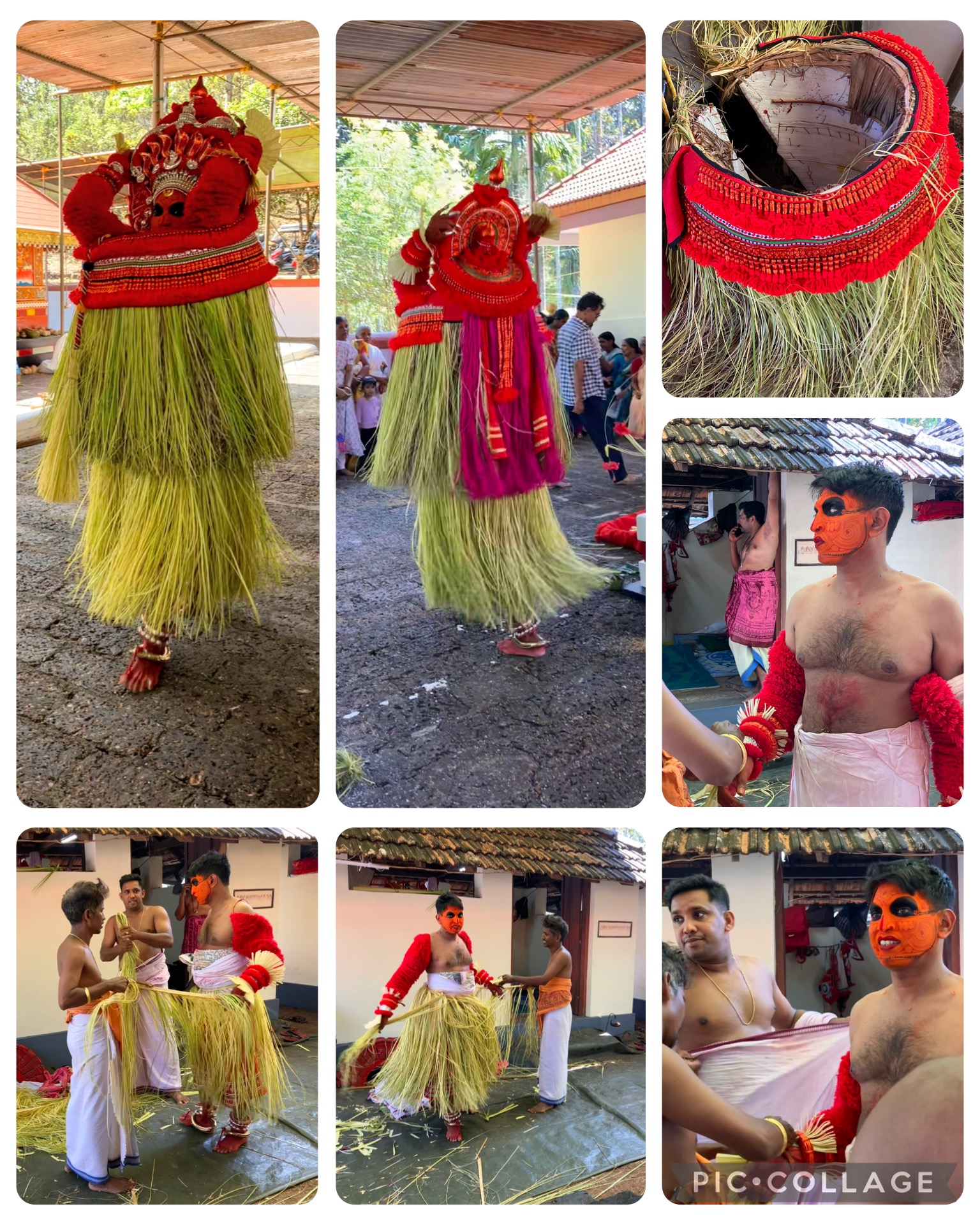
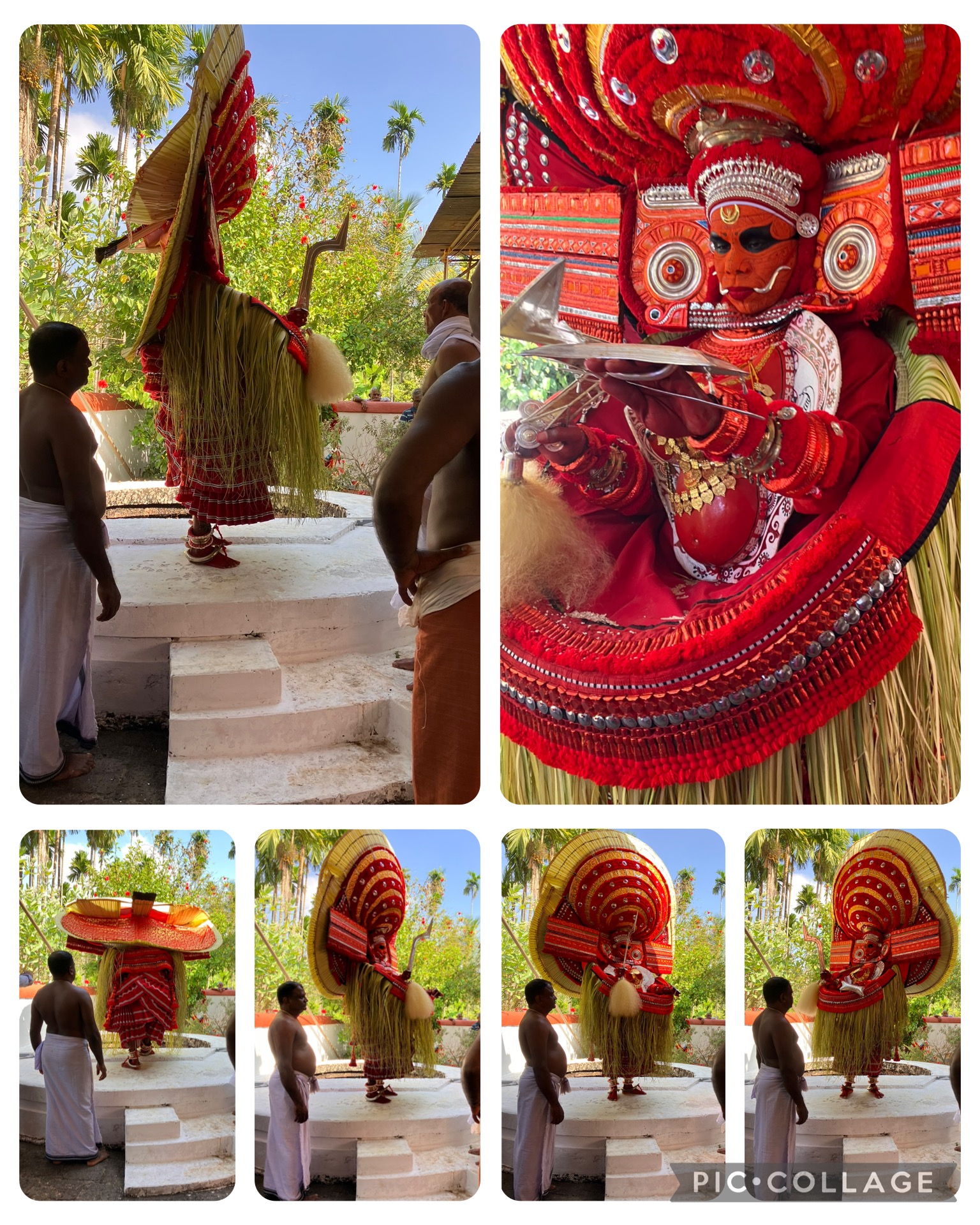
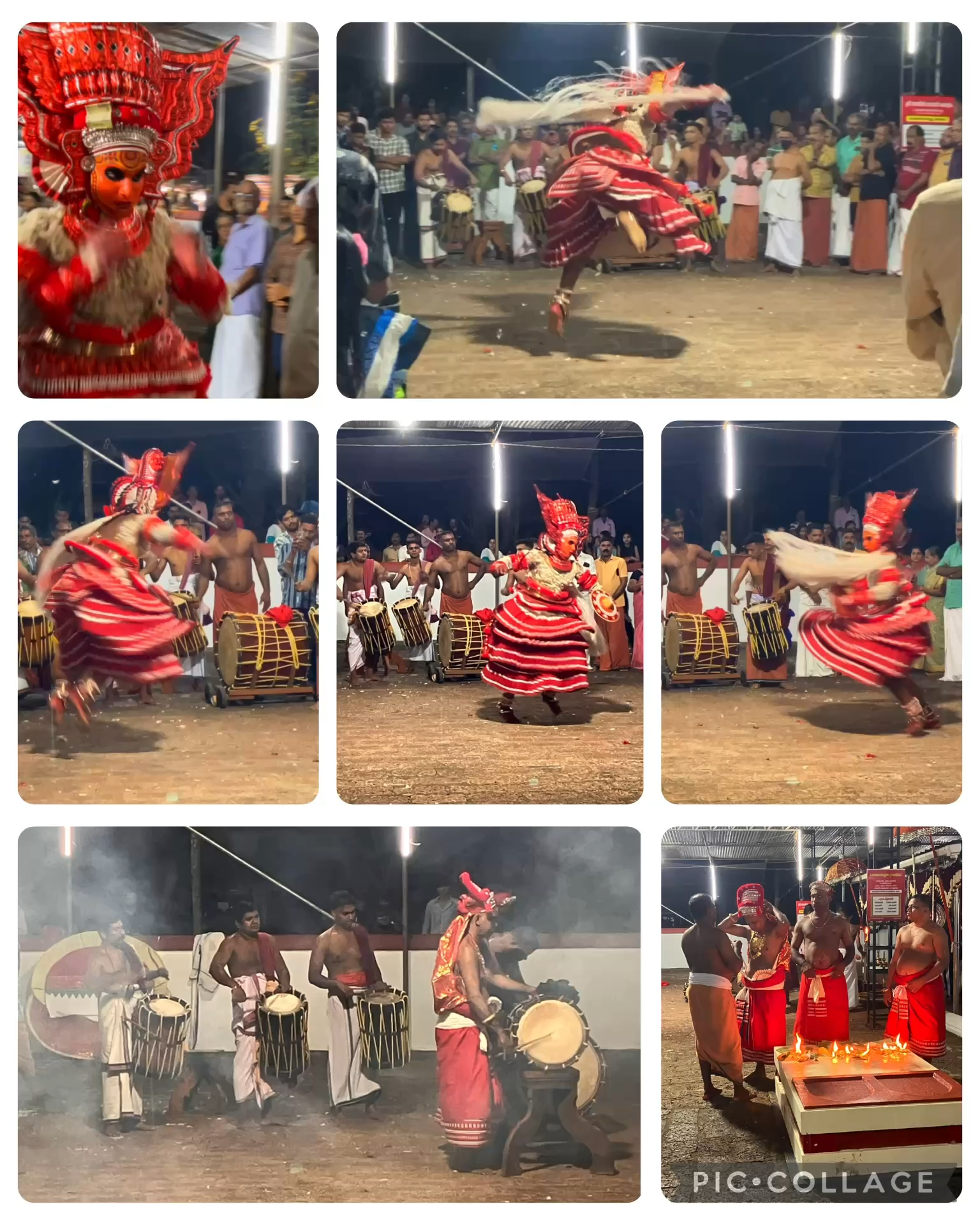
Walking down the track towards the site, the rhythm of the drums guided my steps to the event, where about 100 local people in their best clothes and colourful saris were attending the performance, in the courtyard around the little temple. I left my flip-flops outside the low wall and joined them barefoot, fascinated by the strange performance of the unique actor in a crimson amazing extraordinary outfit, dancing and moving around the spectators , giving them blessings, as the staccato drumming was rising to a crescendo. The Theyyam , with his intricate face makeup and his spectacular costume is the medium between mortals and gods, in fact during his trance-danse, he is considered as being god himself.
Theyyam
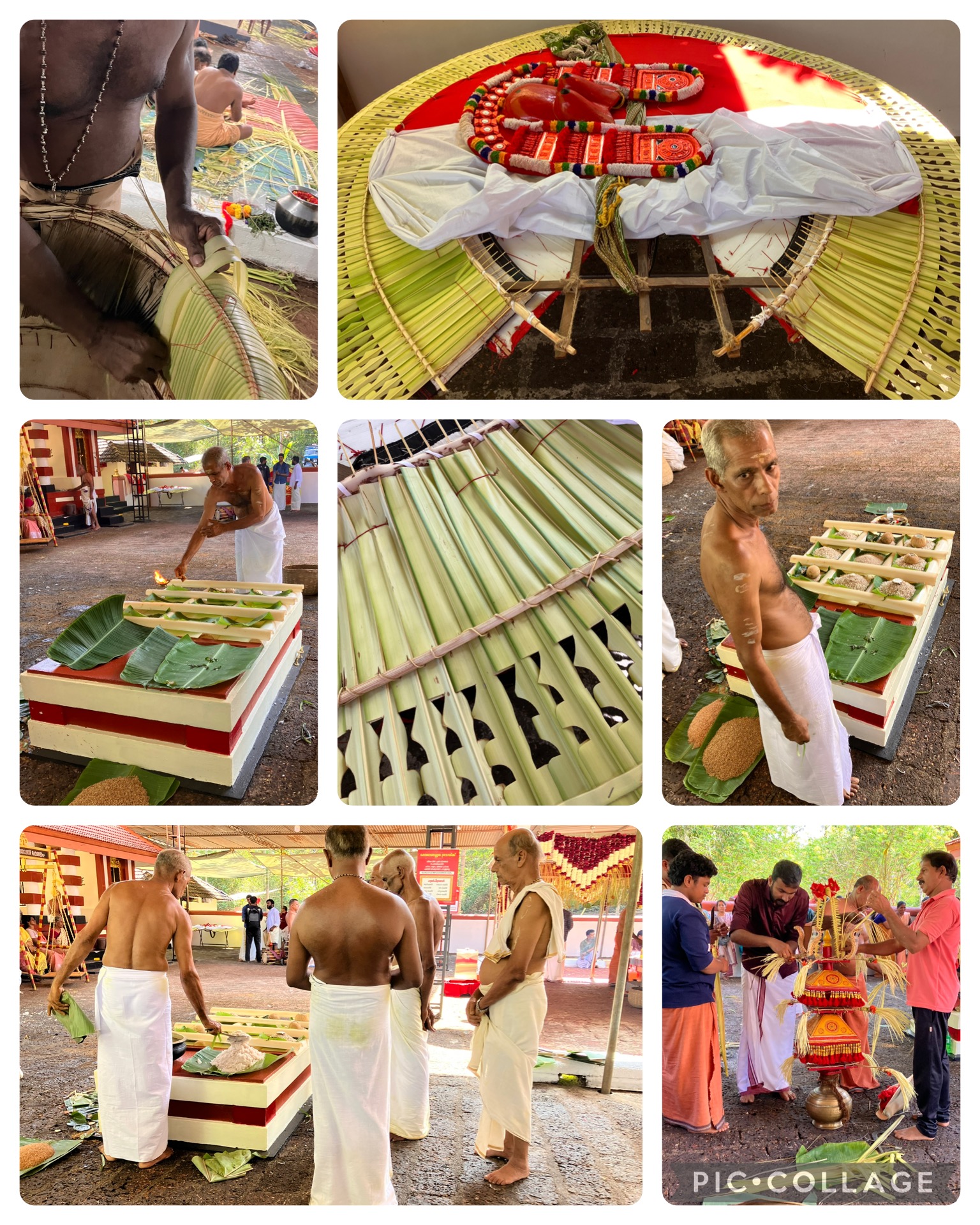
If the Theyyam was the centre of attraction, he was not the only one performing. The talented drummers made the whole thing resonate deeply, changing rhythms in a perfect synchronism, and a dozen men, bare-chest, wearing a white dhoti acted as servants of the Theyyam, preparing the offerings and accessories for the rituals. All absolutely fascinating, in a peaceful, happy, respectful and spiritual atmosphere.
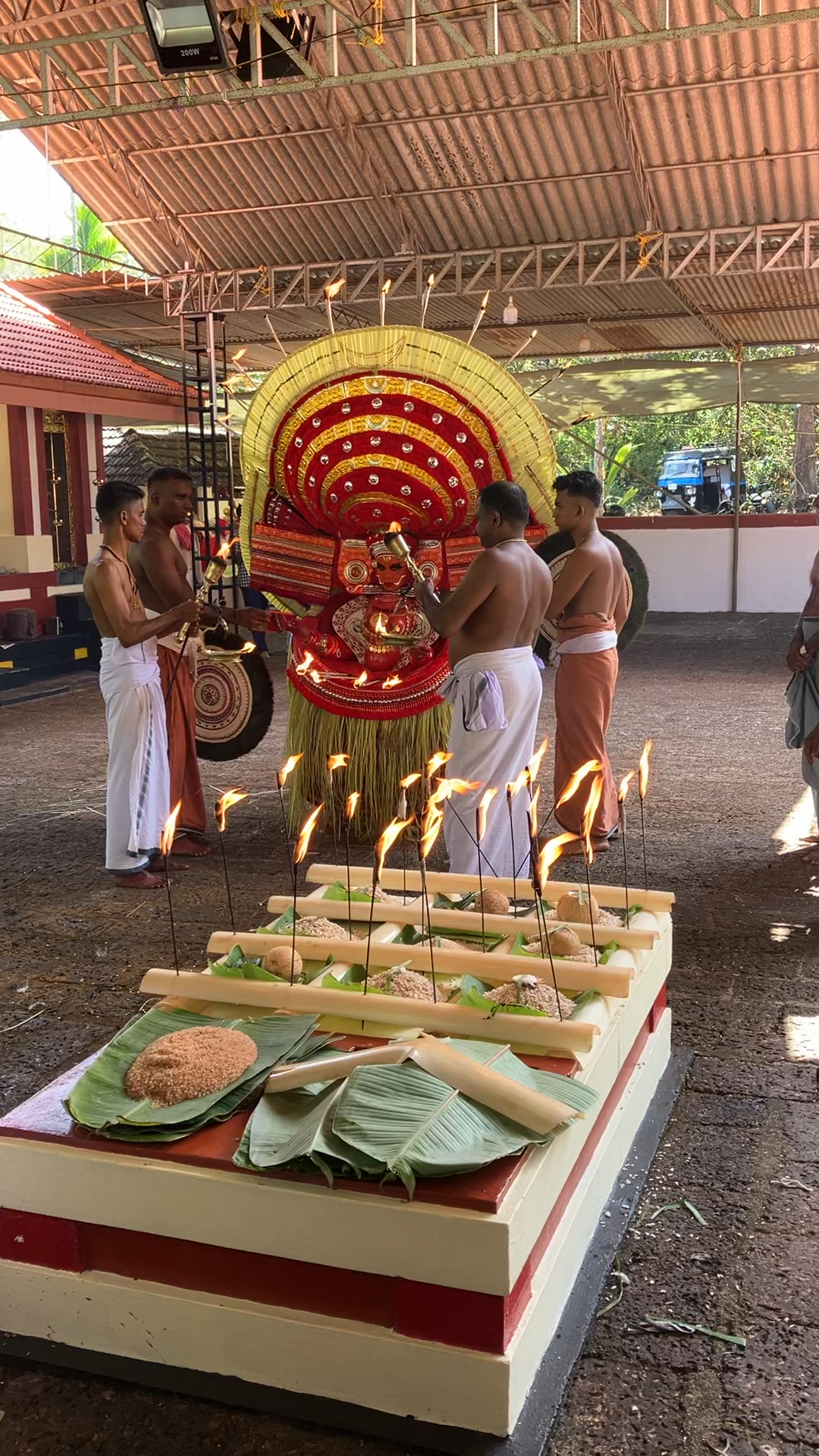
When the Theyyam finished his rituals and performance, he left the courtyard to the opposite corner where some assistants helped him to take off his precious costume. I noticed other assistants sitting on the floor nearby, meticulously working on slicing coconut fronds to create the costume for another Theyyam. An admirable whole team work of art !… As the next Theyyam was slowly getting ready physically and spiritually, the “servants” were preparing all the offerings, perfect art installations made of bamboo ,banana leaves, rice, fruits, flowers, coconut leaves woven into birds…
Kerala people, so kind and easy-going, have a remarkable talent to bring beauty in their worship, in a very peaceful way and in total harmony with the nature . The whole atmosphere reminded me of Bali…During that time, the crowd of spectators went for food and chat, and so did I !
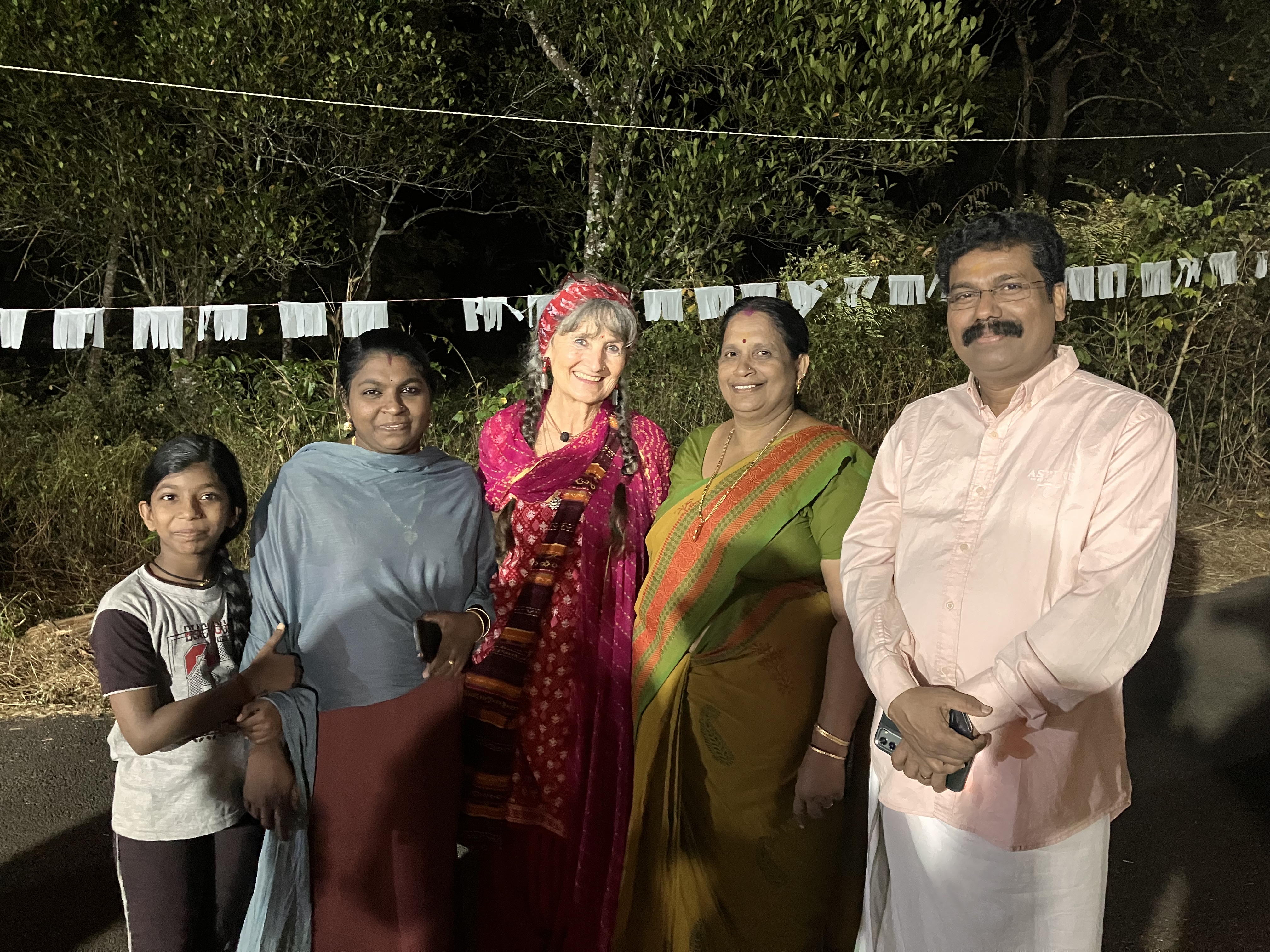
I was the only foreigner there, but I felt welcome despite the very special and sacred character of the event. People were just curious and intrigued to see me there, and invited me generously to enjoy the festivities and the food provided for free for everyone. I wasn’t sure about taking pictures, but they invited me to do so, too. They were happy and proud to share the secrets of their fabulous ancestral culture !
In Kerala, nobody speaks Hindi, and in the remote villages hardly anyone has a little English, the local language is Malayalam… But the smiles and body language were eloquent enough for me to feel totally at ease.
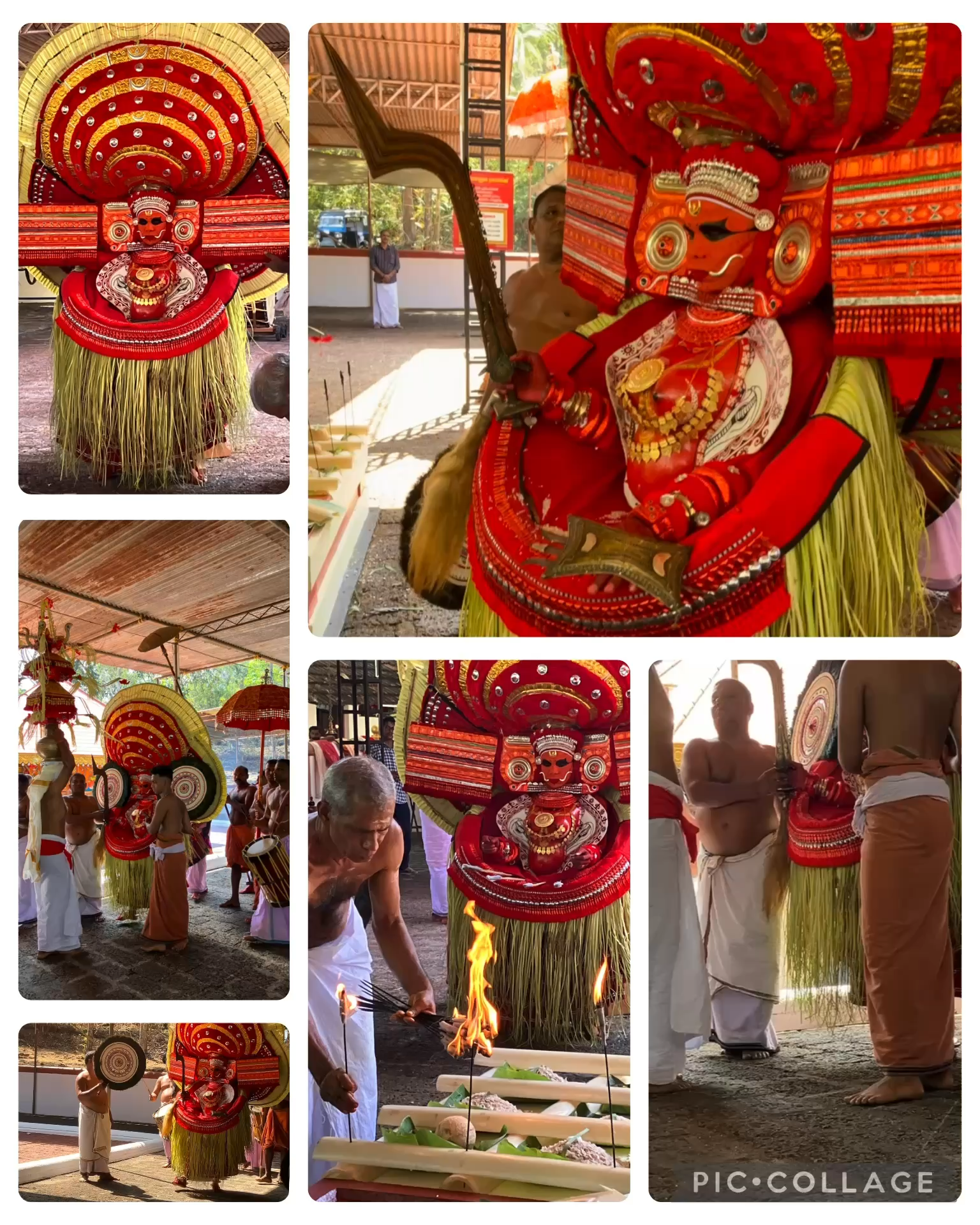
The drums announced the entry of the next Theyyam, another character, another god…
Following a precise ritual, an immense red and silver crown was placed on his head, then thin long flaming torches were tied around his crown and waist . He began to dance in small rhythmic baby steps, in time with the bells on his ankle bracelets. At one stage, one of the “servants” gave him a small mirror. When the Theyyam looks at the mirror and sees the God’s image, he internalizes that he and the god are inseparable, that’s when he gets possessed and the divine trance-dance begins…And so it goes, in the middle of the Malabar forest , the ancestors magic and sacred art is still alive…
And it is mesmerising.
I left a few hours later , ears resonating with the drumming, head full of colourful images and a delicious heartwarming feeling…
Making my way back to Payyanur was easy, as one kind man gave me a lift to the village where I jumped on the local bus.
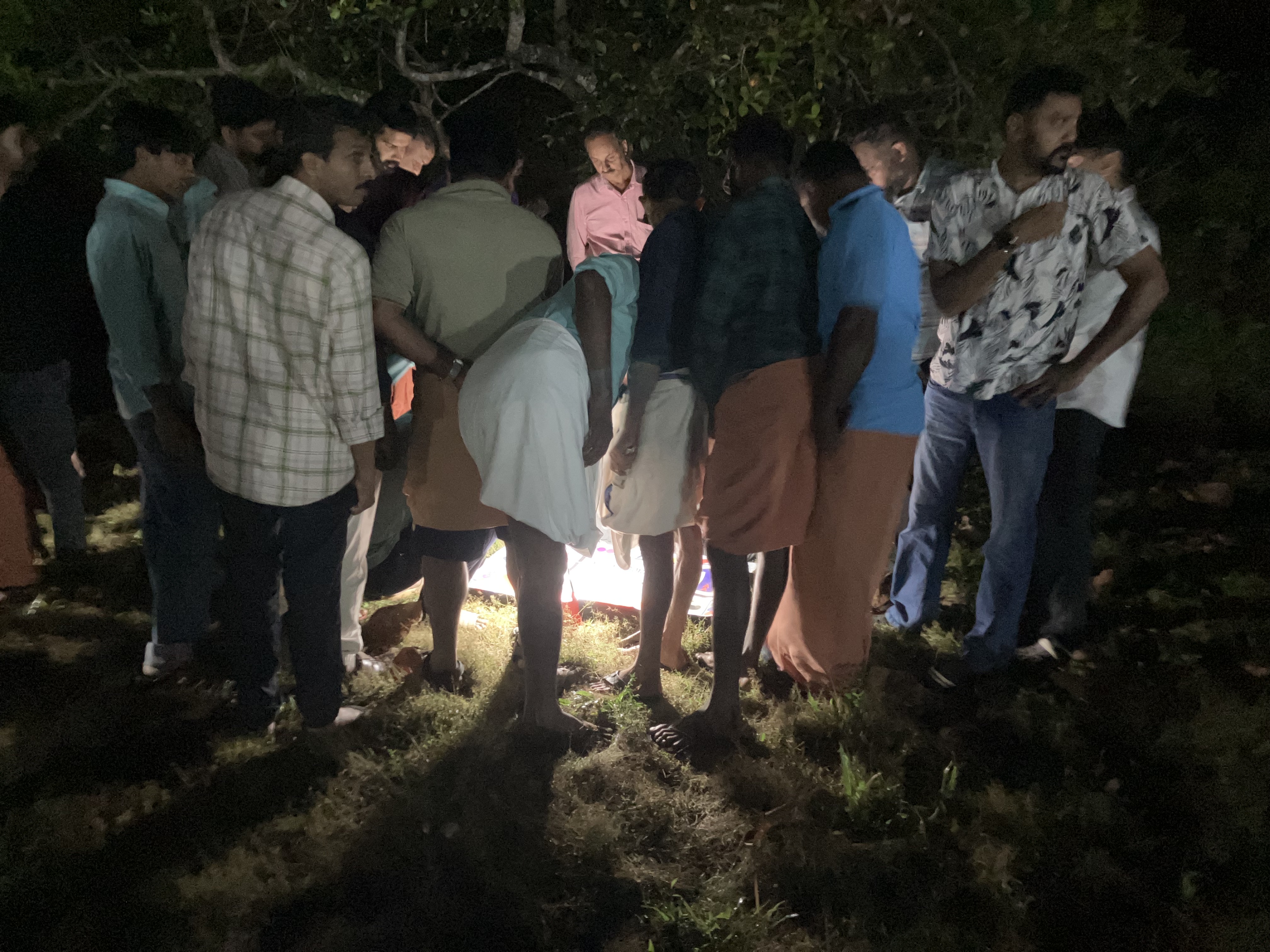
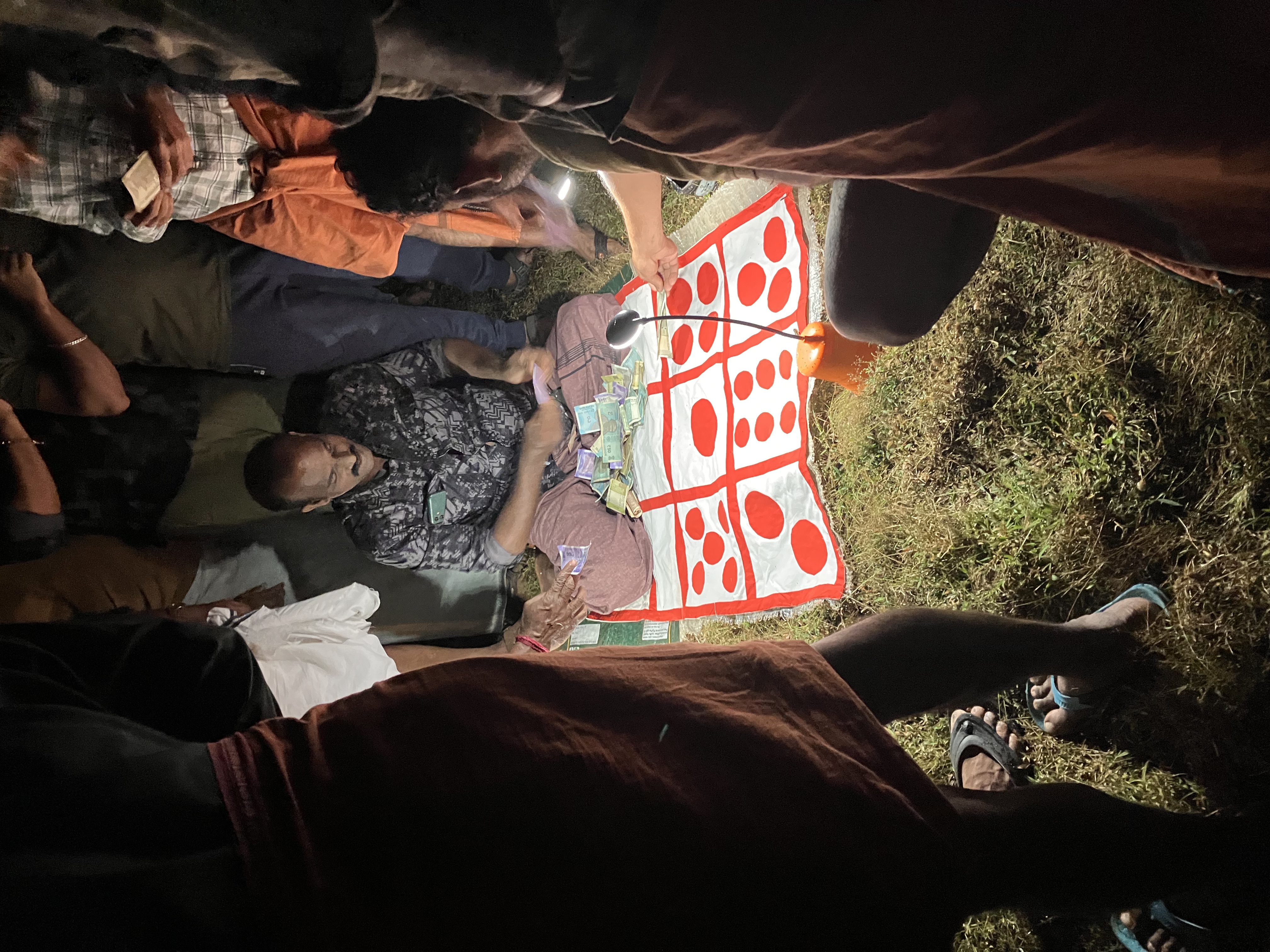
And I decided to come back the next evening for more !… The night experience had a different feeling, even more exotic. There were many more people and between the Theyyam performances, the families were happily enjoying other attractions, a bit like a village fair. Some stands selling toys and souvenirs, others with omelette and black tea, and away in the next field, some curious money games that appeared to be for men only !…
In my 2 visits to that magic place in the forest, I only saw 3 different Theyyam, as they seem to perform mostly one at the time, more rarely interacting with other characters… And I heard there are about 400 ! So much more wonders to discover !… (Yes, it’s on my list for next year !…)
I did some research on the web for more informations about the Theyyam, if you are curious to know more , here are some interesting facts :
"With nearly 1.5 billion people and 330 million Hindu deities, India has no shortage of religious festivals and performances. Yet one of the most ancient and mesmerising is theyyam, which takes place in the southern state of Kerala and parts of neighbouring Karnataka. Meaning "God" or the "incarnation of God", theyyam is a sacred folk ritual combining theatre, mime and worship . It predates Hinduism, but incorporates Hindu mythology to tribal animism , and even various muslim characters, which shows the intercultural acceptance and development of the art-form, as it transcends religious differences."
"The performers of Theyyam are typically from Scheduled Caste and Scheduled Tribe communities. In past these communities were historically marginalized and discriminated by the upper castes."
"Villagers play a crucial role in the preparation, execution, and celebration of Theyyam rituals. This communal engagement fosters a sense of belonging and solidarity, reinforcing social bonds within the community. The collective participation in Theyyam contributes to the preservation of cultural identity and heritage."
"Each Theyyam represents a specific deity or ancestral spirit. The performers (kolams) adorned with brightly coloured paste and elaborate headdresses dance themselves into a trance-like state, a direct conduit for divine communication. Before each theyyam performer's passage to entrancement, they engage in a strict and intense period of abstinence, fasting, prayer and solitary meditation. Their aim isn't just to transform into the deity portrayed by their character, but also to bring spectators close to their gods by virtue of their impersonation, blurring the lines between humanity and divinity."
"The costumes are complex and spectacular, with unique characteristics and attributes for each Theyyam. The predominant colour is red, symbolising energy, power and anger. The headpiece, known as Mudi, is the most crucial attribute of the Theyyam. Face masks, wooden breastplates (Marmula), breasts made of dry coconut shells, amulets, bangles, anklets, and other ornaments are used differently for each character. Theyyam skirts or waist dresses are crafted from coconut fronds, areca leaves and bamboo slivers. The makeup , elaborate designs carefully drawn on the artist’s face and body is rich in cultural and mythological symbolism, passed down through generations. It is done with natural colours such as rice flour, turmeric, charcoal, limestone. Traditional materials such as natural pigments, rice flour, coconut leaves, flowers, and sacred ash are employed in this eco-friendly process, underscoring the deep cultural roots of Theyyam. The meticulous use of these materials not only adds to the authenticity of the performance but also reflects a harmonious connection between art, nature, and spirituality."
"Today, there are more than 400 different characters of theyyams across northern Kerala and Karnataka. These performances are held most nights between dusk and dawn from October to April, with their timing determined in consultation with astrologers who identify auspicious dates using the local Malayalam calendar."